Orthodontic Treatment with Braces
What Are Braces?
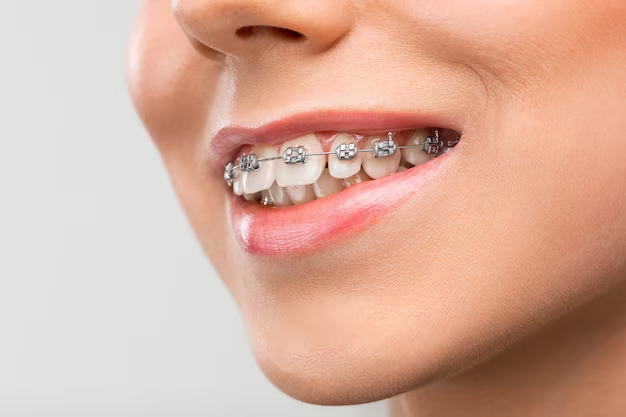
Braces are dental devices used to straighten teeth, improve bite alignment, and enhance overall oral health. These appliances are commonly used to correct crooked or misaligned teeth, close gaps, and address bite issues such as overbite, underbite, and crossbite.
Benefits of Braces
- Improved Appearance: Straightening teeth enhances your smile and overall facial aesthetics.
- Better Oral Health: Properly aligned teeth are easier to clean, reducing the risk of cavities, gum disease, and tooth decay.
- Enhanced Functionality: Braces can improve chewing and speaking by correcting bite problems.
- Long-Term Results: Braces offer a lasting solution to alignment issues, helping maintain a healthy and beautiful smile for years.
Aesthetic Benefits of Orthodontic Treatments
Orthodontic treatments, such as braces or clear aligners, offer a variety of aesthetic benefits that can transform not only the appearance of your smile but also the overall harmony of your facial features. Below are some of the most important aesthetic benefits:
1. Improved Smile and Facial Aesthetics
One of the most immediate and noticeable benefits of orthodontic treatment is a more attractive smile. Aligning your teeth can dramatically improve the symmetry of your smile, making it more visually appealing. Whether you have crowded teeth, gaps, or misalignments, orthodontics can help achieve a balanced and harmonious smile. This improvement often boosts overall facial aesthetics by enhancing the proportions of the upper and lower jaw.
2. Boosted Self-Confidence
For many people, the appearance of their teeth and smile plays a significant role in their self-esteem. Having crooked, misaligned, or uneven teeth can lead to self-consciousness and reluctance to smile. Orthodontic treatment corrects these imperfections, leading to a healthier, more confident smile. As patients see their smiles improve over time, they often experience greater confidence both in social settings and professionally.
3. Discreet Treatment Options
For those concerned about the appearance of traditional metal braces, there are now various aesthetic alternatives that provide a more subtle approach to orthodontic treatment. These options allow patients to straighten their teeth without drawing attention to their dental appliances.
- Ceramic Braces: These are similar to metal braces, but the brackets are made of clear or tooth-colored materials. They blend better with the natural color of your teeth, making them much less noticeable than traditional metal braces.
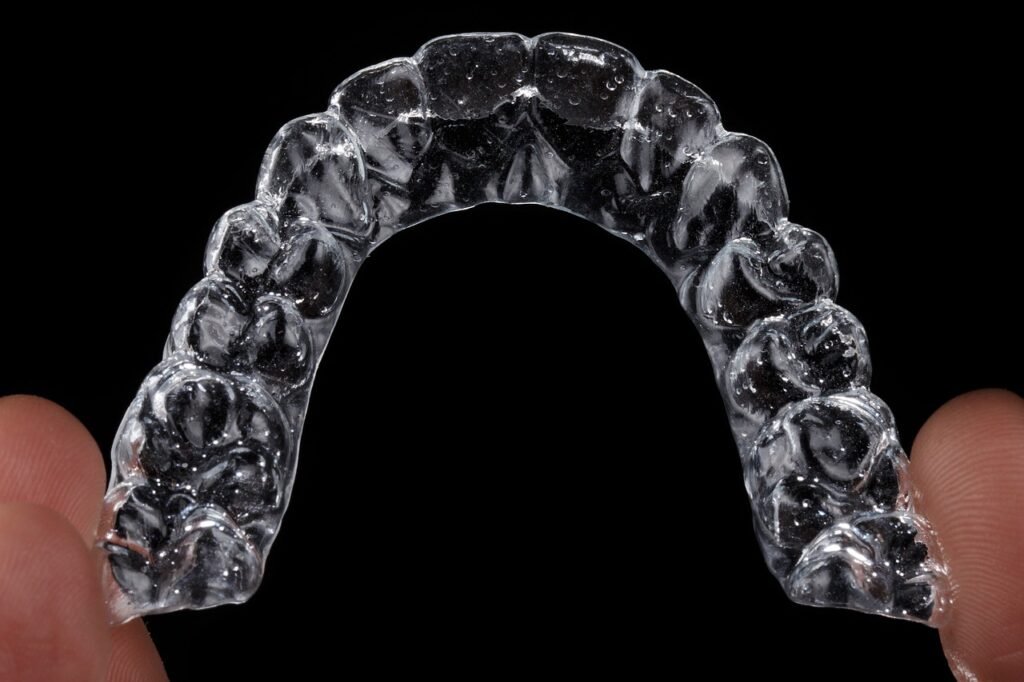
- Clear Aligners (e.g., Invisalign): These are a series of removable, transparent trays that gradually move your teeth into position. Clear aligners are virtually invisible, making them a popular choice for adults and teens who want a discreet treatment option. The trays are custom-made to fit your teeth perfectly and are comfortable to wear.
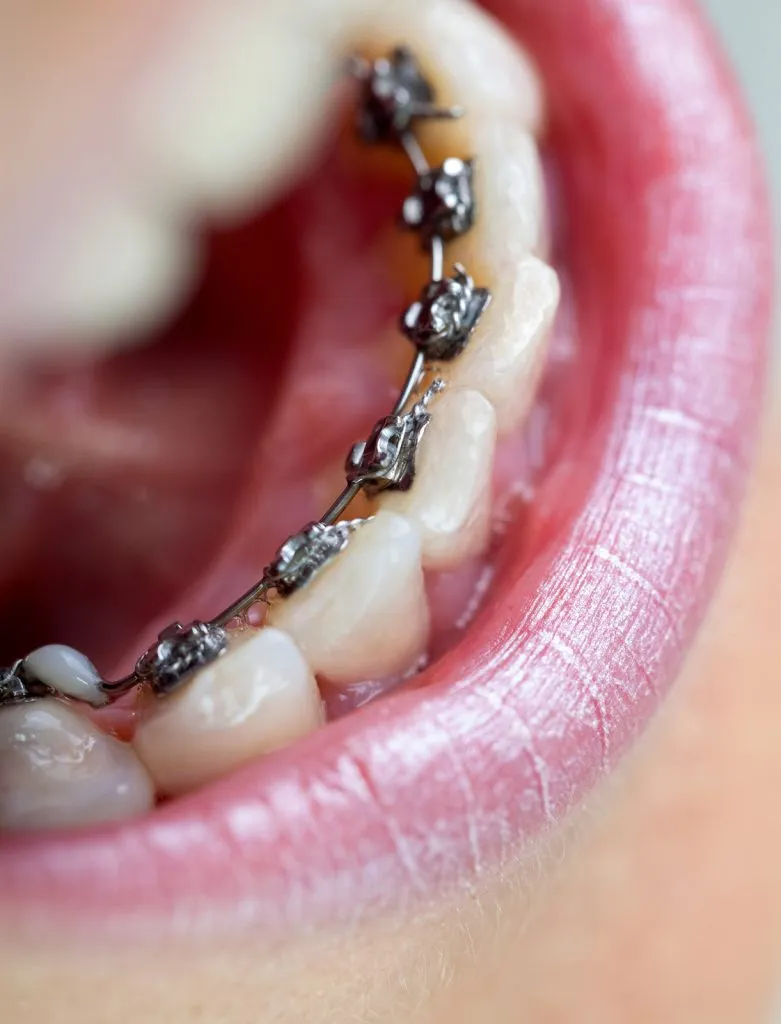
- Lingual Braces: These braces are attached to the back of your teeth (the tongue-facing side), making them completely hidden from view. Lingual braces are an excellent option for those who want effective treatment without visible braces.
4. Improved Teeth Alignment
Misaligned teeth can not only affect your smile but can also cause an uneven bite, which impacts how your teeth fit together. With orthodontic treatment, your teeth are repositioned to improve bite alignment (such as correcting overbites, underbites, and crossbites). A better-aligned bite means that your teeth will appear straighter and more proportionate, further enhancing your smile.
5. Long-Term Cosmetic Outcomes
Orthodontic treatments don’t just offer short-term improvements. The results are long-lasting, ensuring that you maintain your aesthetic smile for years to come. Once the braces are removed (or once the treatment with clear aligners is complete), many patients are provided with a retainer to maintain the alignment. This step helps keep your teeth in their new positions, preserving your smile’s cosmetic benefits.
6. Jaw and Lip Positioning
In addition to straightening teeth, orthodontic treatment can help improve the position of your jaw and lips, enhancing facial aesthetics. This is particularly relevant for patients with significant jaw misalignments (such as a prominent overbite or underbite). By correcting these issues, orthodontic treatments can lead to more balanced facial proportions, making the face look more harmonious.
7. Reduction of Gum Recession Risks
When teeth are misaligned or crowded, it can be difficult to maintain proper oral hygiene, which may increase the risk of gum disease. As a result, orthodontics not only helps improve the appearance of the teeth but also promotes better gum health. A healthier gum line can contribute to a more aesthetic smile overall.
8. More Even Tooth Wear
Misaligned teeth can lead to uneven wear and tear, where some teeth might become worn down more quickly than others. By aligning the teeth properly, orthodontic treatment ensures that all teeth wear evenly, improving both their function and appearance.
9. Correcting Overly Gummy Smiles
Some individuals have an excessive amount of gum showing when they smile, often referred to as a “gummy smile.” While some of this may be due to genetics, orthodontic treatment can often correct the alignment of the teeth and jaw, resulting in a more balanced smile where the gums are less prominent.
Why Choose Aesthetic Orthodontic Treatments?
With a variety of aesthetic options available, orthodontic treatments now offer an opportunity for individuals to improve both their oral health and appearance without compromising their look during treatment. Whether you’re interested in the discreetness of ceramic braces, the invisibility of clear aligners, or the complete concealment of lingual braces, there’s an option to suit your aesthetic goals.
A beautiful, well-aligned smile can significantly impact your self-confidence and overall facial aesthetics, leading to lasting benefits both in appearance and health. If you’re considering orthodontic treatment, talk to our experienced orthodontist to explore which aesthetic options are best suited to your needs.
Types of Braces
- Metal Braces: The most common type, made from stainless steel. Metal braces are highly effective for treating various alignment issues and are often more affordable.
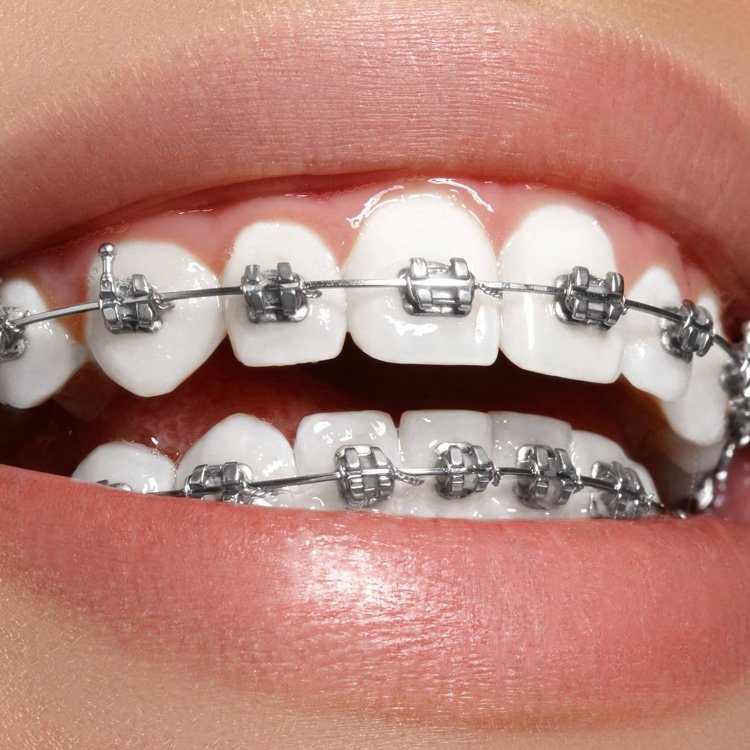
Ceramic Braces: Similar to metal braces, but made of clear or tooth-colored materials, making them less noticeable. These are a great option for those looking for a more discreet treatment. They blend better with the natural color of your teeth, making them much less noticeable than traditional metal braces.

Lingual Braces: These braces are attached to the back of your teeth (the tongue-facing side), making them completely hidden from view. While effective, lingual braces may be less comfortable initially and require more maintenance. Lingual braces are an excellent option for those who want effective treatment without visible braces.
Clear Aligners : These are a series of removable, transparent trays that gradually move your teeth into position. Clear aligners are virtually invisible, making them a popular choice for adults and teens who want a discreet treatment option. The trays are custom-made to fit your teeth perfectly and are comfortable to wear.
The Orthodontic Treatment Process
- Consultation and Evaluation: Your orthodontist will examine your teeth, jaw, and overall oral health to create a personalized treatment plan. This may include X-rays, digital scans, and impressions.
- Braces Placement: Once you’ve decided on the type of braces, they are carefully placed on your teeth. The process is typically painless and takes around 1-2 hours.
- Regular Check-ups: You’ll visit your orthodontist every 4-6 weeks for adjustments. During these visits, your braces will be tightened or modified to gradually move your teeth into their correct positions.
- Completion and Retainers: Once your teeth are properly aligned, the braces will be removed, and you will be given a retainer to keep your teeth in place. Wearing your retainer as instructed is essential to maintain your results.
Commonly Asked Questions
1. How long does treatment with braces take? The duration of treatment varies depending on the complexity of the case. On average, braces are worn for 18-24 months, though some cases may take longer.
2. Do braces hurt? Some discomfort is normal, especially after adjustments, but it’s usually mild and temporary. Over-the-counter pain relief can help alleviate any soreness.
3. Can I eat normally with braces? While you can eat most foods, you should avoid sticky, hard, or crunchy foods that may damage your braces. Your orthodontist will provide guidelines on foods to avoid.
4. How often will I need to visit the orthodontist? Typically, you’ll visit your orthodontist every 4-6 weeks for routine adjustments. These visits are essential to ensure your treatment progresses as planned.
5. How much do braces cost? The cost of braces depends on several factors, including the type of braces chosen and the length of treatment. Financing options and insurance coverage may help make treatment more affordable.
6. Will braces affect my speech? Braces may cause a slight adjustment period for speaking, but most patients adapt quickly and regain normal speech after a short time.
Why Choose Our Clinic for Your Orthodontic Treatment?
- Experienced Orthodontists: Our skilled team uses the latest techniques to provide effective and comfortable treatment.
- Personalized Treatment Plans: We tailor your treatment to suit your unique needs and lifestyle.
- Advanced Technology: We utilize state-of-the-art technology to ensure precise treatment and optimal results.
- Comfort and Care: We prioritize patient comfort and make your treatment experience as smooth and stress-free as possible.
Start your journey to a straighter smile today! Contact us for a consultation and take the first step toward achieving the smile you’ve always wanted.